Intermediate Programme
Intermediate Programme
The Intermediate Programme (BA(Hons)) is a three-year full-time programme. The First Year is characterised by its shared, open studio, where students work individually and together across a series of projects. This part of the Intermediate Programme is defined by a learning-through-making approach, providing students with the tools and methods that help to foster an exploratory and intellectual interest in architecture. Years two and three introduce students to the unit system, in which small design studios (12–14 students) operate a vertical structure of Second and Third Year students. Innovative approaches to the study of form, typology, programme, site, material, craft and fabrication sit side-by-side with the study of critical architectural theory, environmental and technical considerations, speculative studies and different modes of architectural practice.
The four Core Studies subject areas – History and Theory Studies, Environmental and Technical Studies, Media Studies, and Professional Practice Studies – are an essential part of the Intermediate Programme. Together, the courses on offer in Core Studies give students the opportunity to establish and develop their own individual interests and direction within the school. These courses also provide opportunities for students approaching architecture from the different agendas of the units to come together in shared settings.
First Year Design Studio
| Title | Programme Staff |
|---|---|
| First Year | Monia De Marchi, Liam Ashmore, Michela Falcone, Jack Hardy, Sho Ito, Laurence Lumley, Shaan Patel, Alexandra Savtchenko, Erika Suzuki |
First Year Core Studies
Second and Third Year Design Units
 UNDO
UNDO Two Sides of the Same Coin
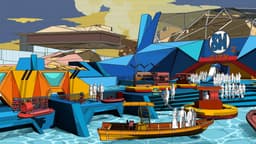 Upon Diluvial Order
 Mirror
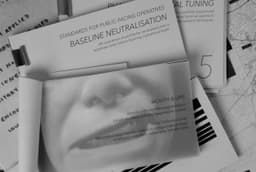 Business as Usual?
 Pressure Under Dust
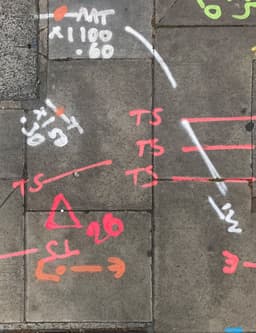 No Thing
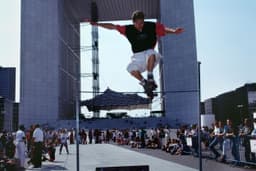 The Big Here and the Long Now
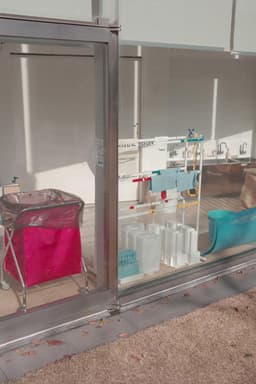 True
True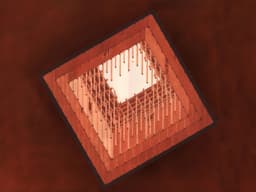 Earth Lab: Groundbreaking
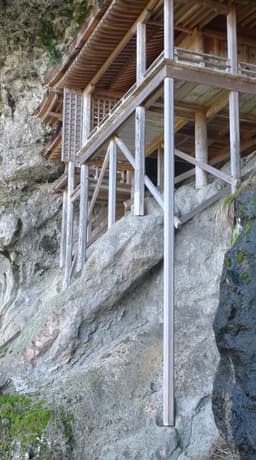 The Nature of Architecture
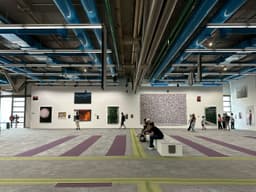 Cultural Capital: Pipes, Plazas and Publics
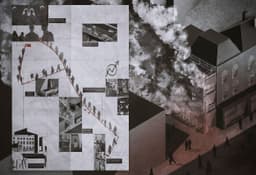 Displace / Replace / Emplace
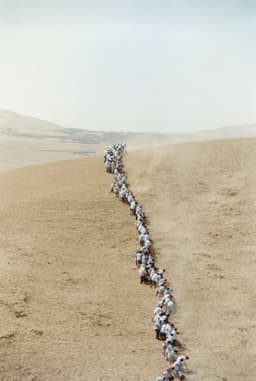 Shifting Landscapes: Coexistence
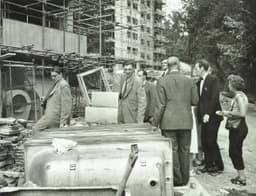 Don’t Look Back in Anger
 Golden Blue
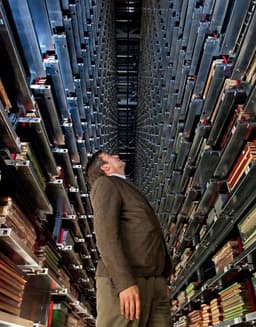 Fragments to Frameworks: Spatial Prototypes for Emerging Thought
Second and Third Year Core Studies
Student Life
From First Year to Third Year, the AA's Intermediate Programme is dedicated to providing students an enriching and supportive entry into architectural studies. The Intermediate design units are centred around exploration and experimentation, and additional school events organised by the Public Programme, the AA Student Forum and AA LAWuN make the school a creative place to learn.