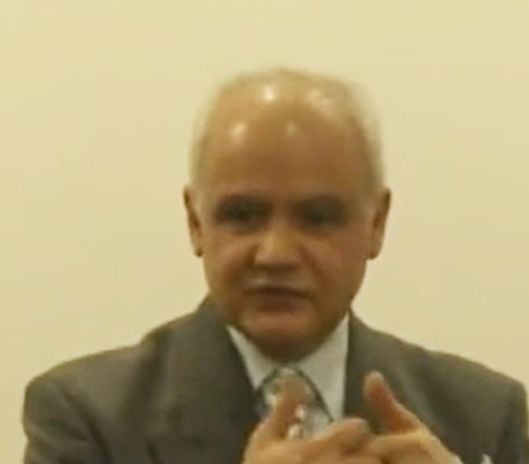
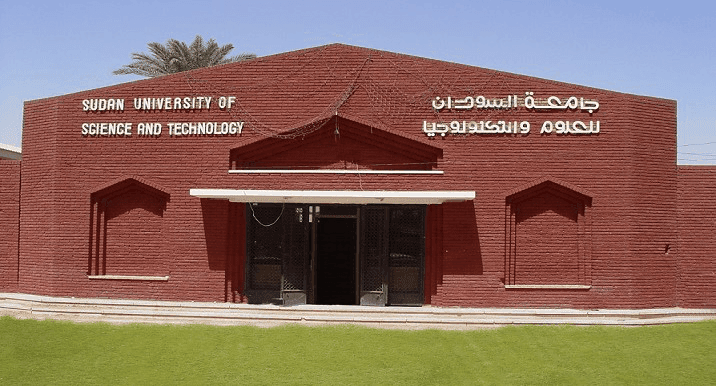
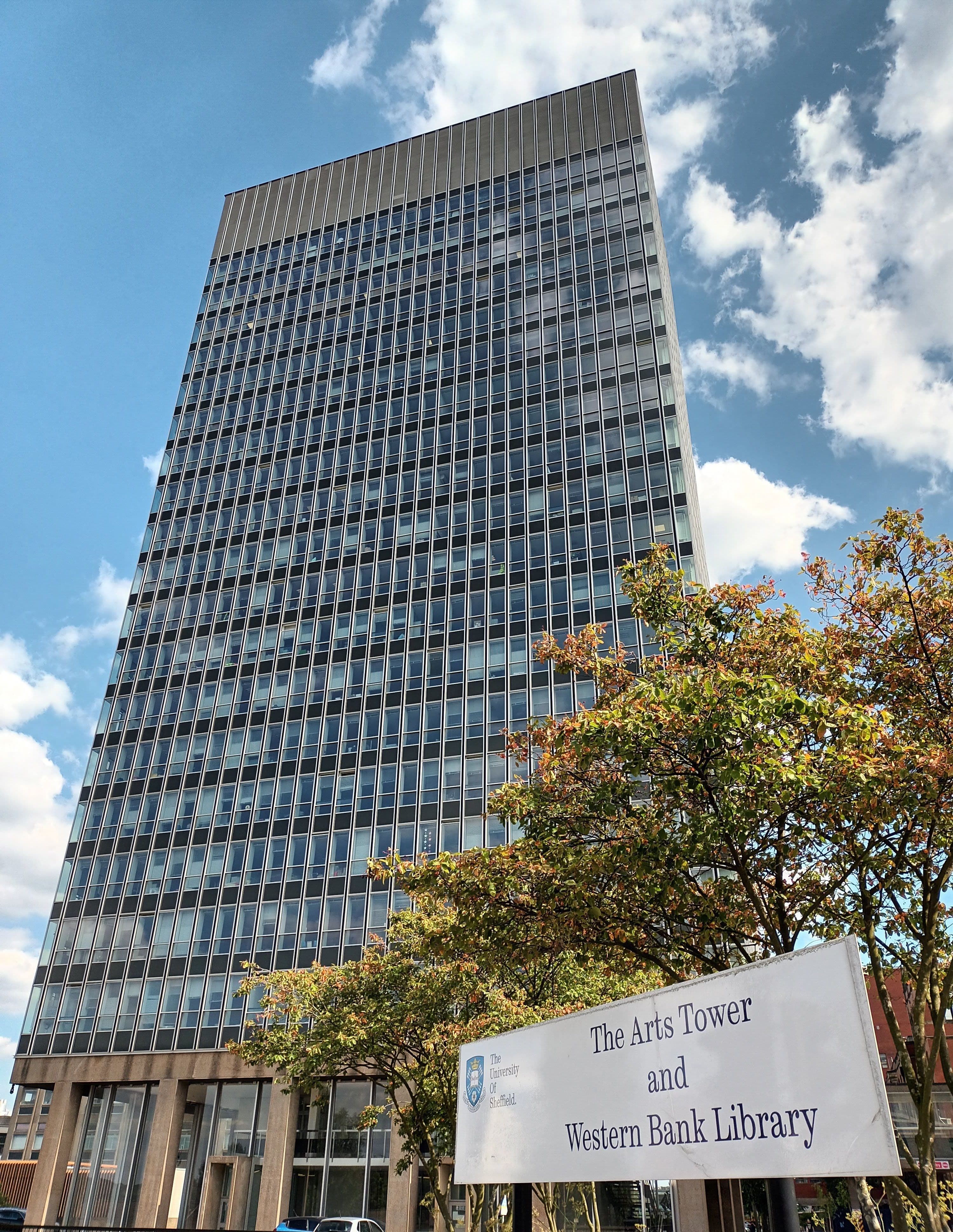
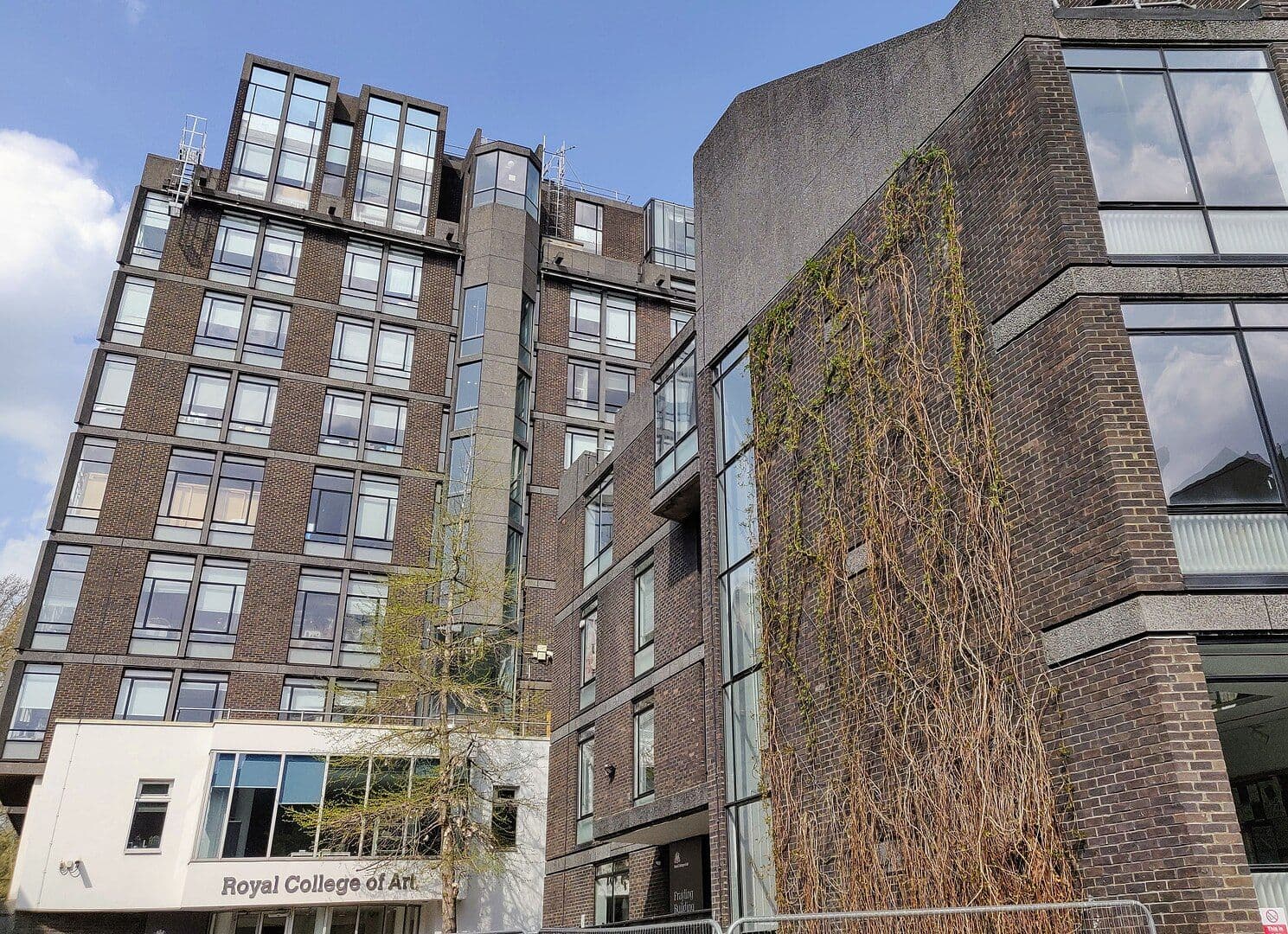
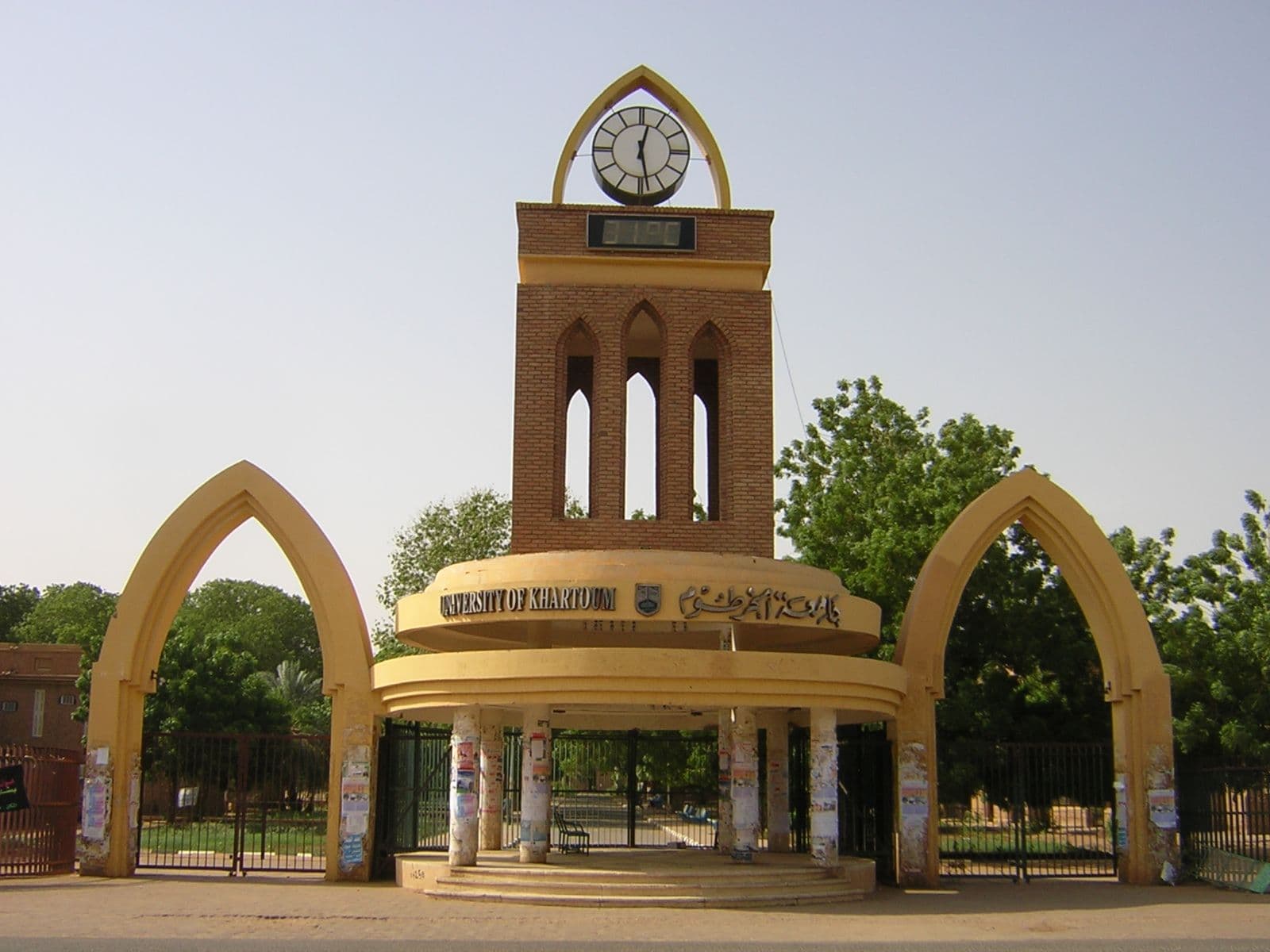
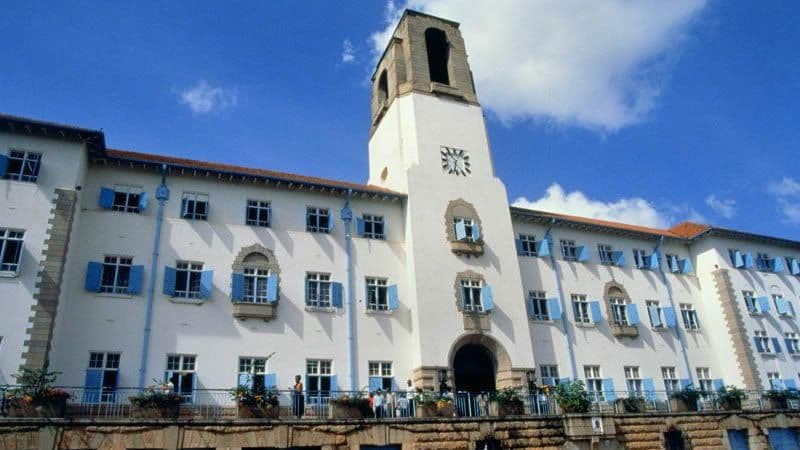
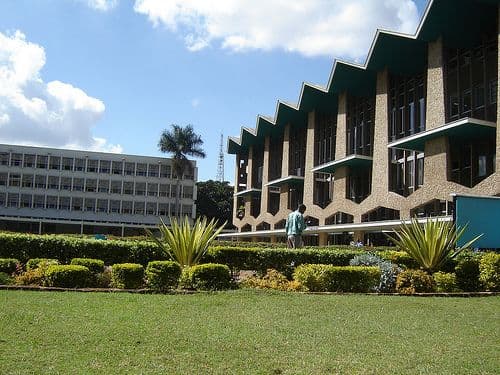
Tagelsir Ahmed was born in Sudan in 1934 and grew up in Khartoum, attending the School of Design, Khartoum Technical Institute (now the College of Fine and Applied Art, Sudan University of Science and Technology) from 1953-56. He travelled to the UK in late 1956 and studied architecture at Sheffield University for a year, before transferring to the Northern Polytechnic (now London Metropolitan University). After a further year, Ahmed transferred again, to the Royal College of Art (RCA), and graduated in 1962 with a degree (and a Silver Medal) from the RCA’s School of Graphic Design. During this period, Ahmed became close friends with the English painter, David Hockney, a fellow student within his cohort. Ahmed remained in London and in 1966 enrolled on the postgraduate ‘Housing’ course run by the Architectural Association’s (AA) Department of Development and Tropical Studies, from which he successfully graduated with a postgraduate Certificate in Tropical Architecture, in 1967. He appears to have immediately returned to Sudan, after his studies at the AA, and gave as his corresponding address, in 1969, the Construction Division of the Ministry of Works, in Khartoum, where he was presumably working at the time. By this stage, Ahmed had already developed a reputation as an artist and had contributed to the Sudanese Pavilion, at the New York International Fair (1964), the Contemporary African Art Exhibition, at the Smithsonian Institute (1965) and the Dakar Art Fair (1966). He had also made valuable contacts in London and participated in the Exhibition of Contemporary African Art at the Camden Arts Centre, in 1969-70. This level of recognition enabled him to work with the Sudanese state cultural institution, the Maslahat al-Thaqafa, as a graphic artist for the magazine ‘Khartoum’, all whilst juggling teaching at the Architecture Faculty of the University of Kahartoum and also acting an English teacher. In the early 1970s, Ahmed relocated to Uganda, accepted a position at the Department of Art, at Makerere University, in Kampala, subsequently moving to teach at the University of Nairobi, in Kenya. It was during this period that Ahmed collaborated with Usam Ghaidan, one of his fellow classmates from the AA Department of Development and Tropical Studies, producing the illustrations for 'Lamu: A Study of the Swahili Town,' a report commissioned by the Government of Kenya. He returned to Khartoum c1976 and took up the position of lecturer in charge of the ‘Basics of Design’ course within the Architecture Faculty at the University of Khartoum. Instability and the declining economic situation in Sudan, coupled with worsening health, meant that Ahmed was constrained to move to Saudi Arabia in 1984, where he taught at the King Saud University, as part of a staff transfer programme with the University of Khartoum. Tagesir was eventually declared as an opponent by the Sudanese National Islamic Front and, unable to return to Khartoum, moved to Jordan, where he taught Art History at the University of Jordan, in Amman. Some of his most powerful paintings come from this period, including ‘The Massacre of Al-Ailfoun’, produced in reaction to the death of over 100 high school students at the hands of the security forces. This painting was gifted to Adil Mustafa Ahmad, head of the Department of Architecture at the University of Jordan (another alumni of the AA Department of Development and Tropical Studies). Tagesir also worked as a part-time consultant at the Jordan National Gallery of Fine Arts, and it was to this institution that he donated the majority of the works that he produced whilst in the country. In turn, the National Gallery was to hold a major retrospective of his paintings in 2010, three years before Ahmed was to finally return to Sudan.
Sources
- Architectural Association Student Register, 1945-71. AA Archives
- Architectural Association Council Minutes, 24th July, 1967. AA Archives
- Architectural Association Membership Register, 1969. AA Archives
- Ghaidan, Usam Isa. Lamu: A Study of the Swahili Town. Nairobi, Kenya: East African Literature Bureau, 1975.
- Ghaidan, Usam Isa, ed. Lamu: A Study in Conservation. Nairobi, Kenya: East African Literature Bureau, 1976.
- ‘Tagelsir Ahmed: 1933-2015’, website of the Jordan National Gallery of Fine Art. Accessed 24th November, 2025: https://nationalgallery.org/artist/tagelsir-ahmad/
- ‘In Remembrance: Tagesir Ahmed, Sudanese Visionary,’ Raheim Shadad, June 18th, 2024. Accessed 25th November, 2025: https://medium.com/@rahiem.shadad/in-remembrance-the-life-and-art-of-tagelsir-ahmed-sudanese-visionary-3df0c05bf73c