HookePark
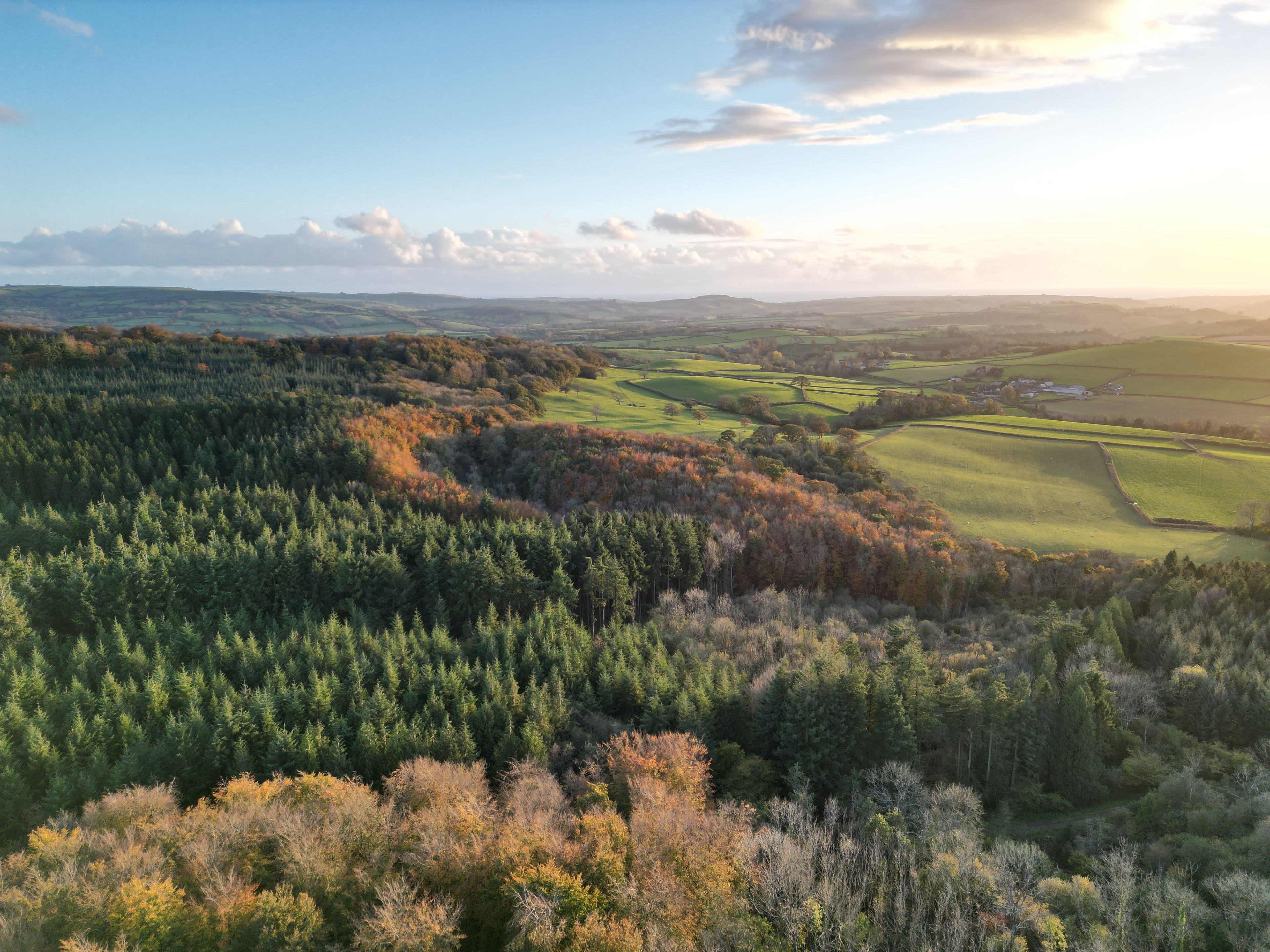
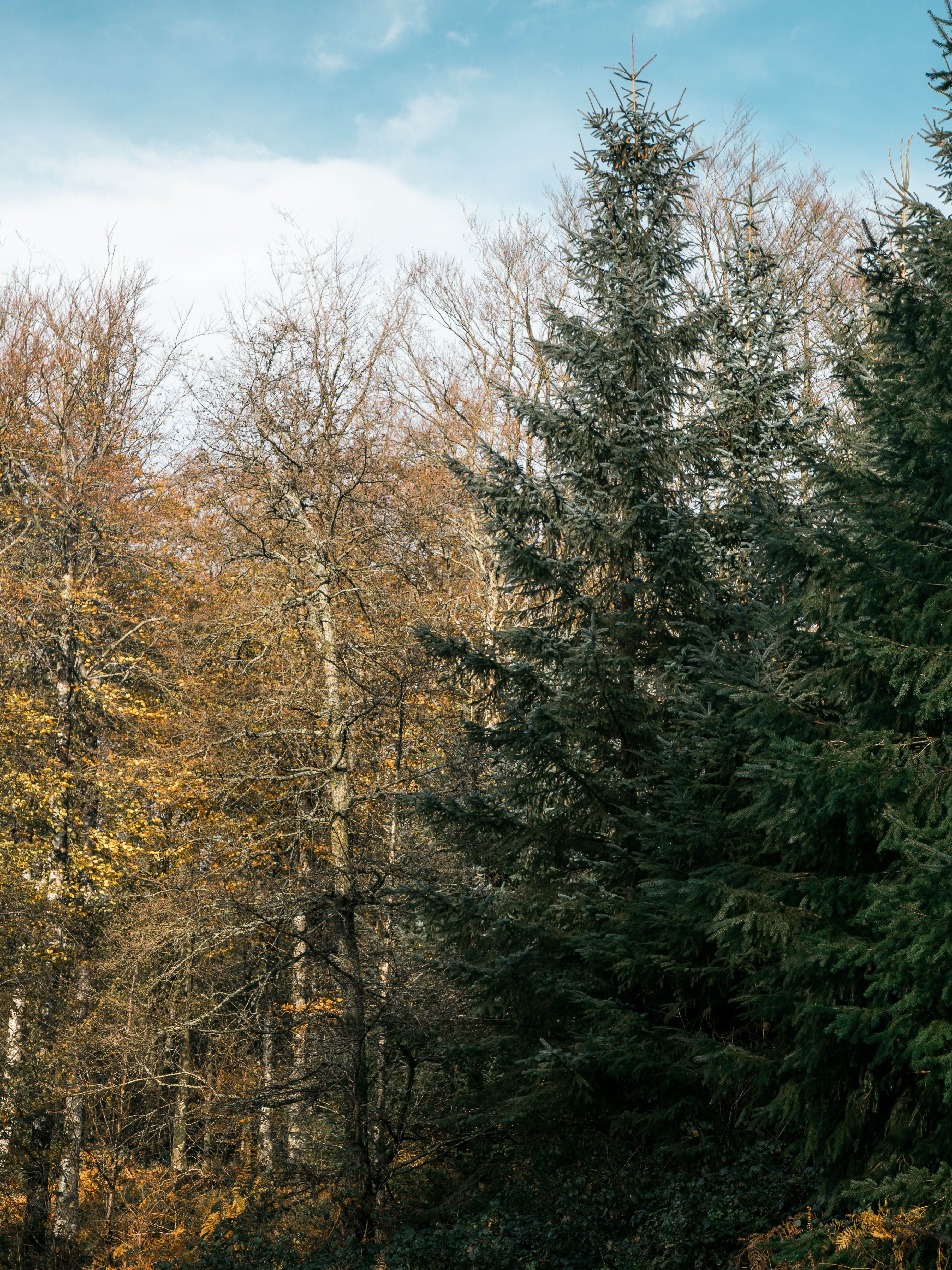
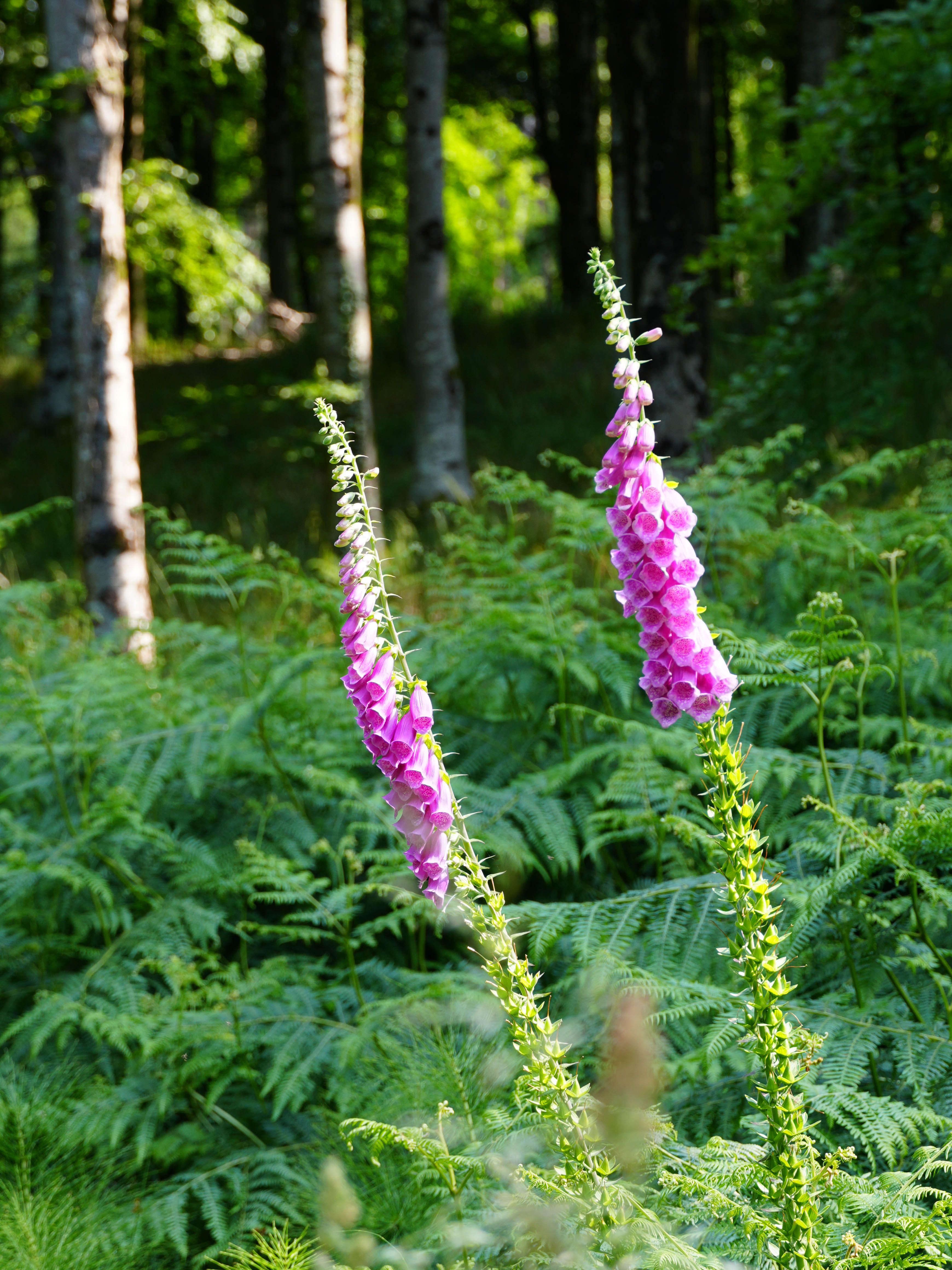
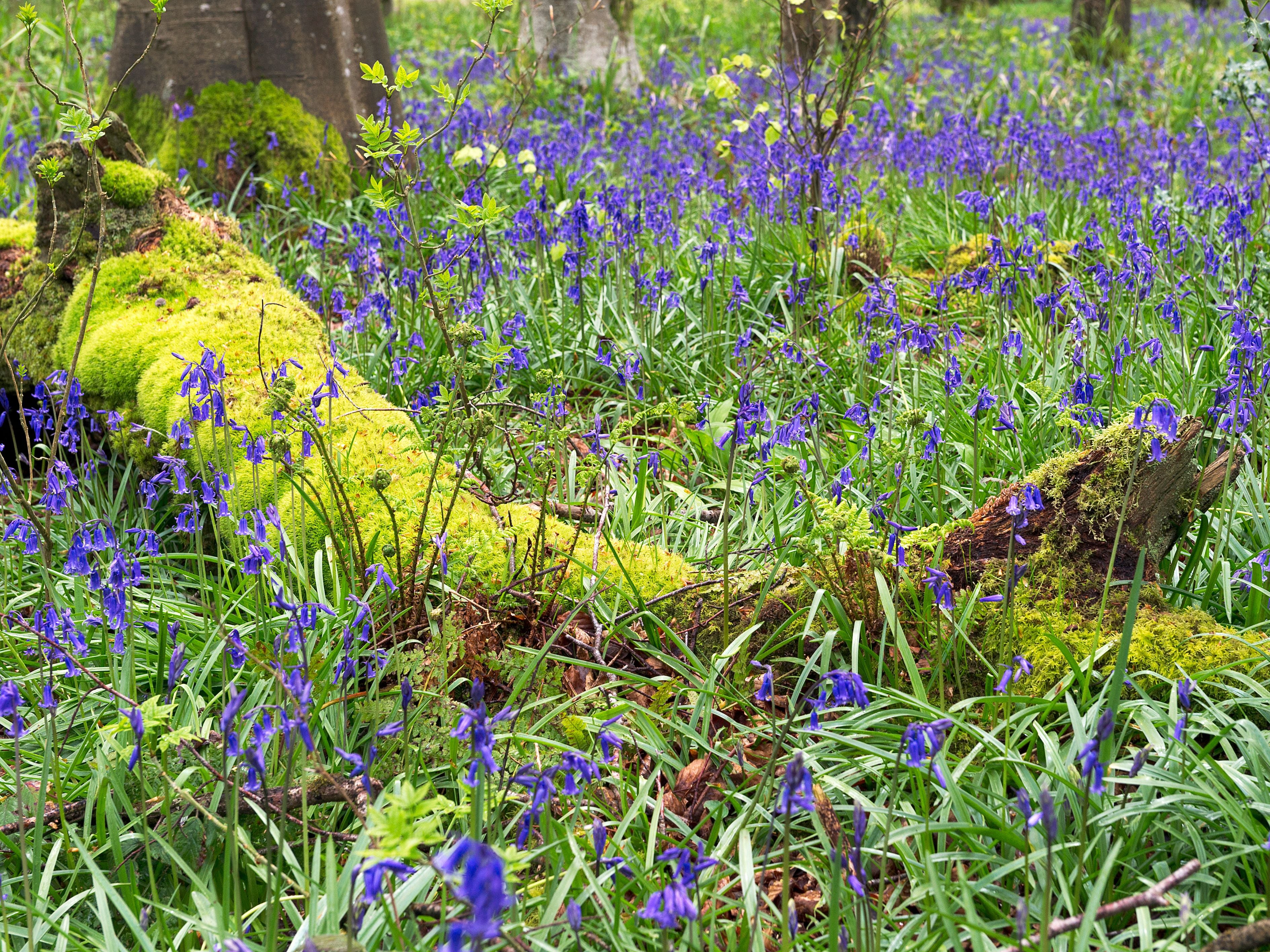
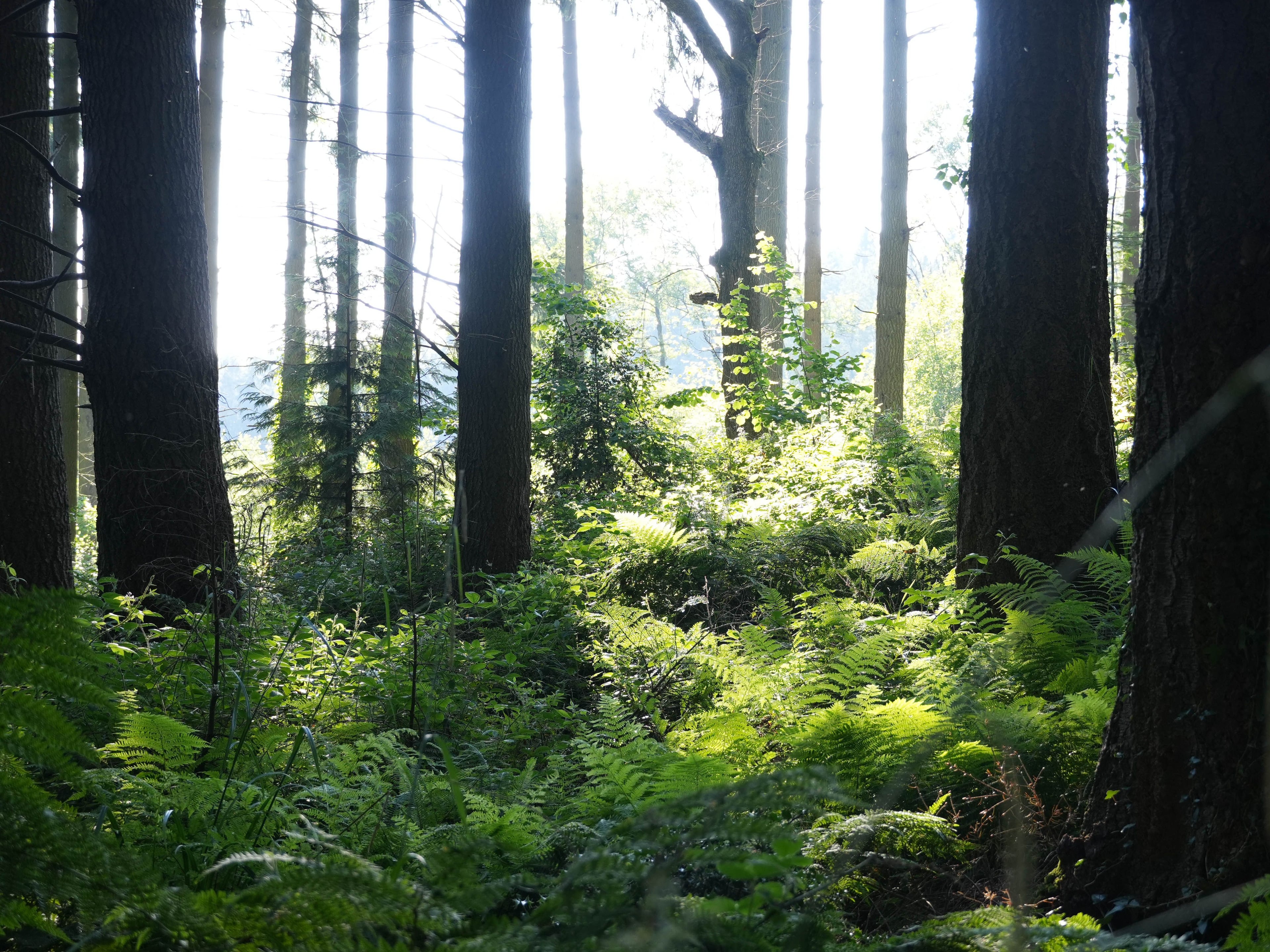
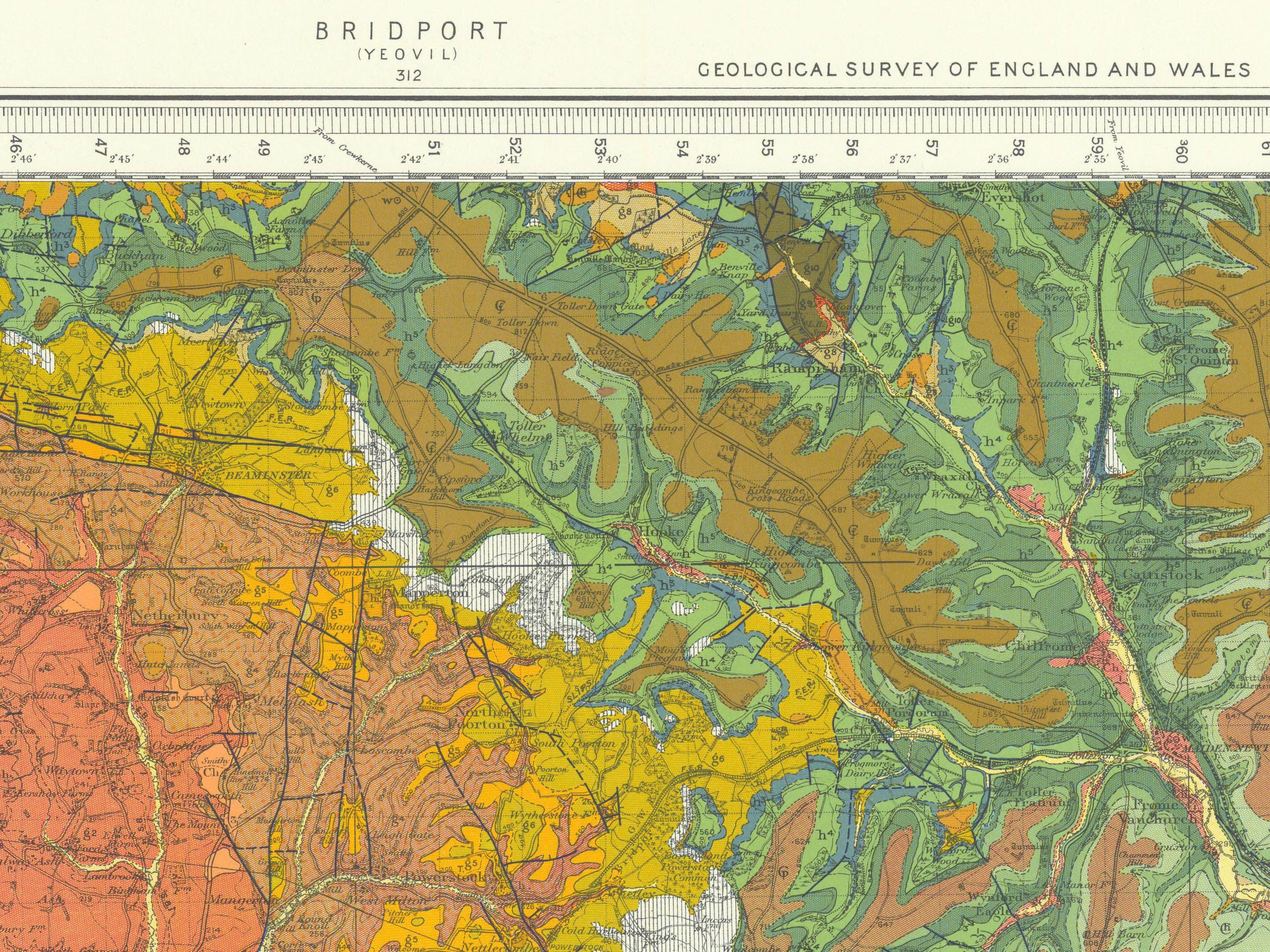
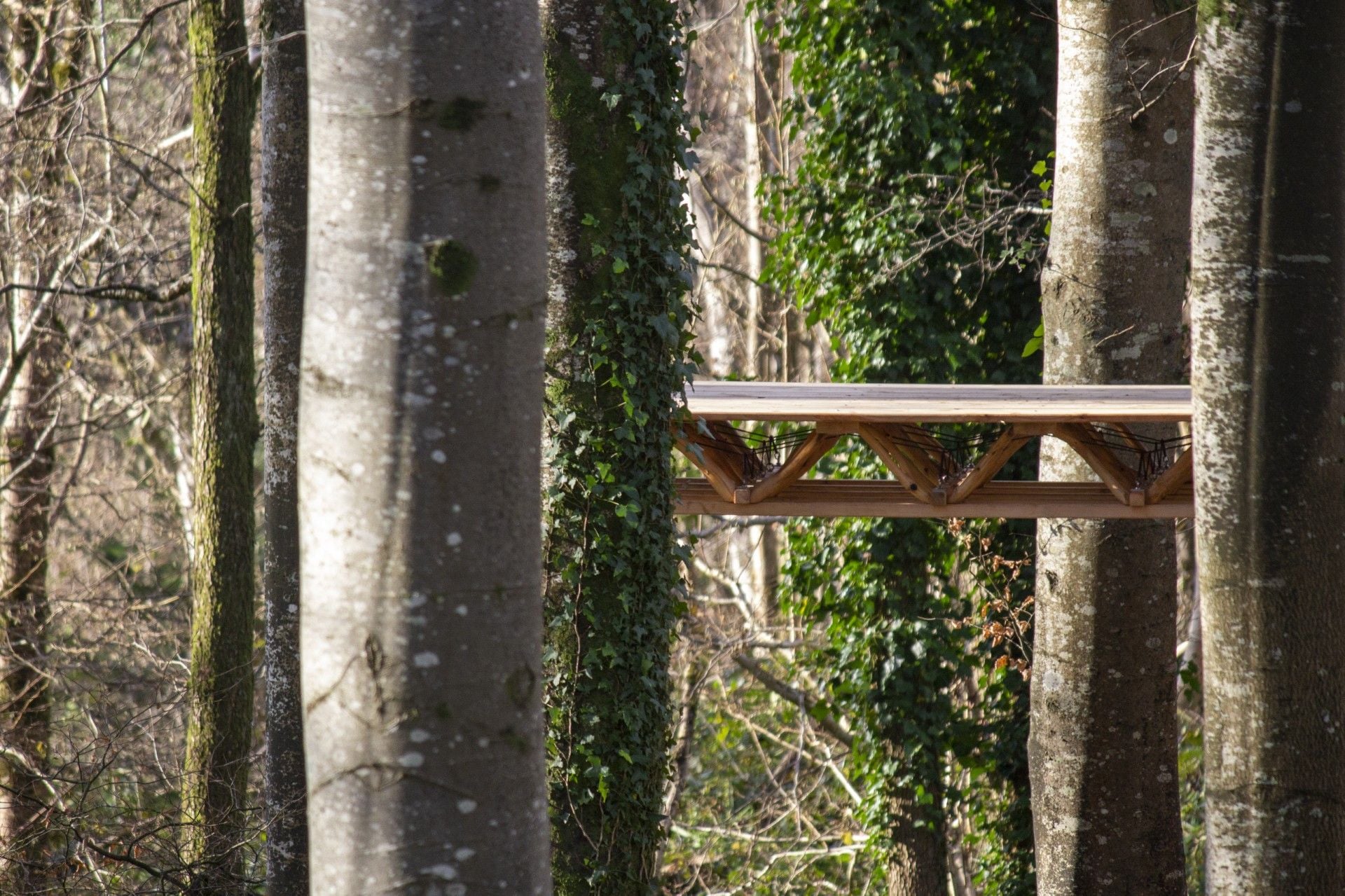
Hooke Park is a growing educational space that combines forest, studio, workshop and building site. This 150-hectare working woodland in Dorset, UK is home to the Design and Make taught postgraduate programme (MSc/MArch) and hosts visiting groups of AA students, short courses and residential workshops all year round.
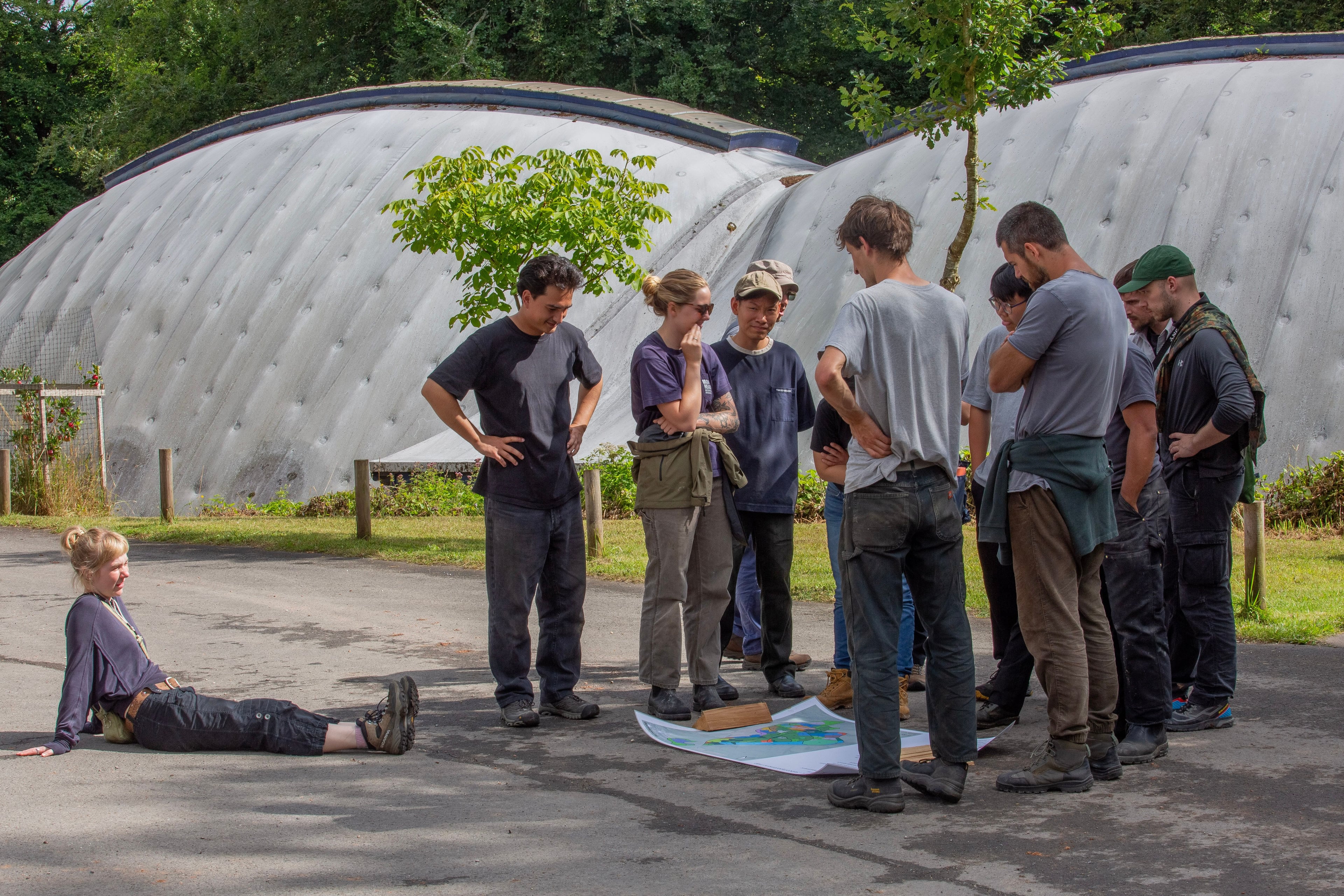
@hookepark Follow us on Instagram to keep up to date with forthcoming events in the woodland, watch student projects unfold and find out more about life and work in this forest laboratory.
More on Instagram ↗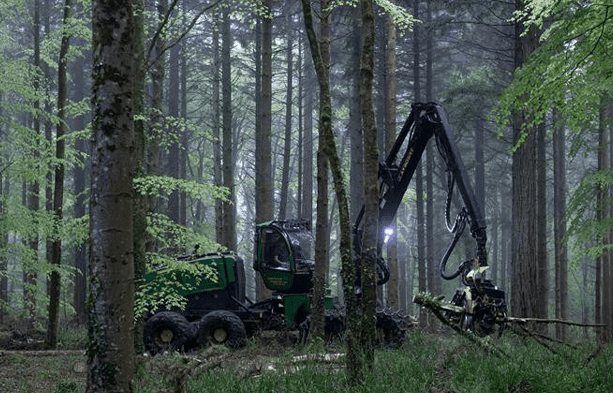
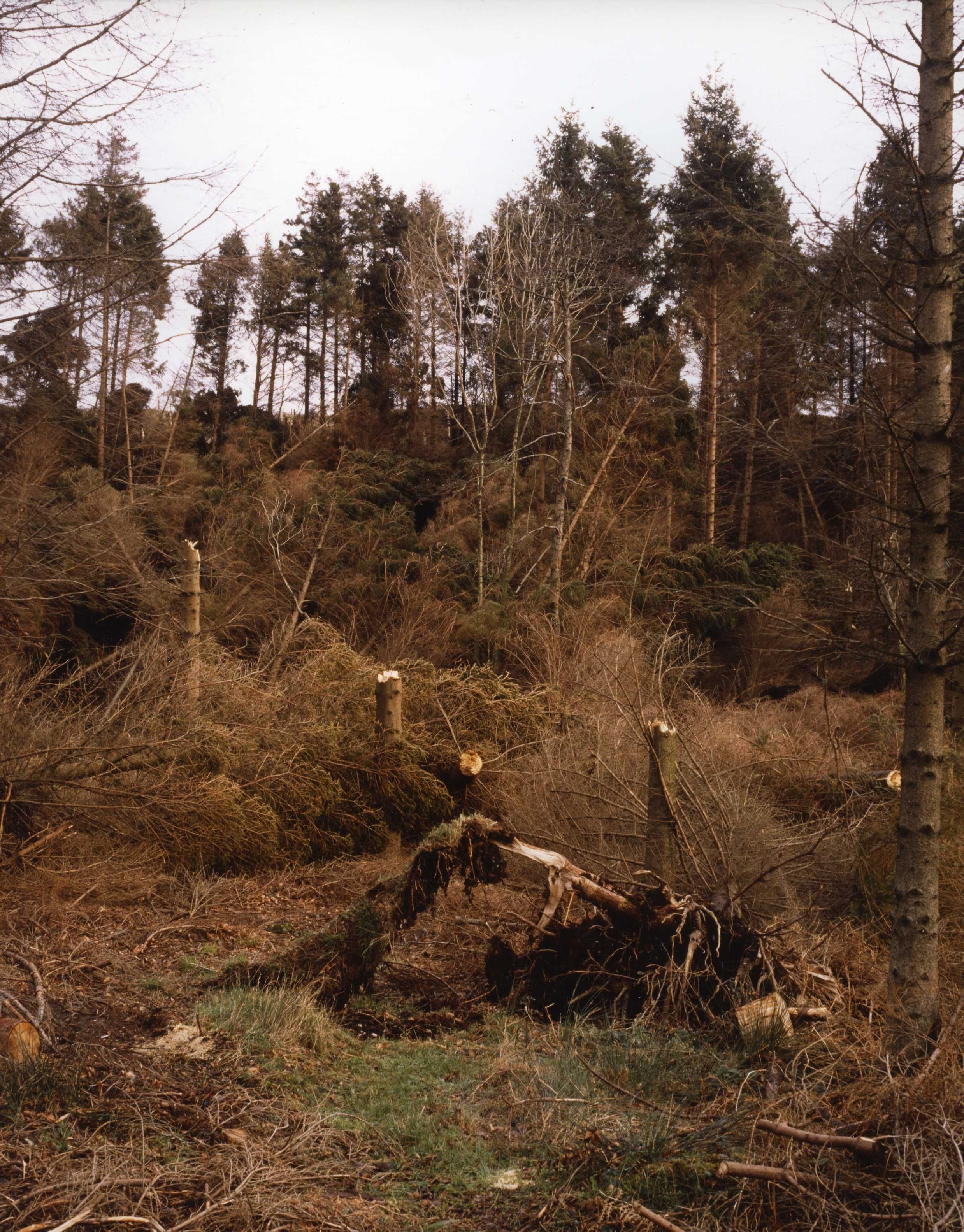
Through research, surveys, data analysis and new technologies, forestry researchers have developed a 100-year strategy for woodland management at Hooke Park. Forestry thinking is long-term thinking, and our aim is to align the evolution of the forest with the evolution of the campus, contributing to an urgent conversation around the challenges and opportunities of building with timber.
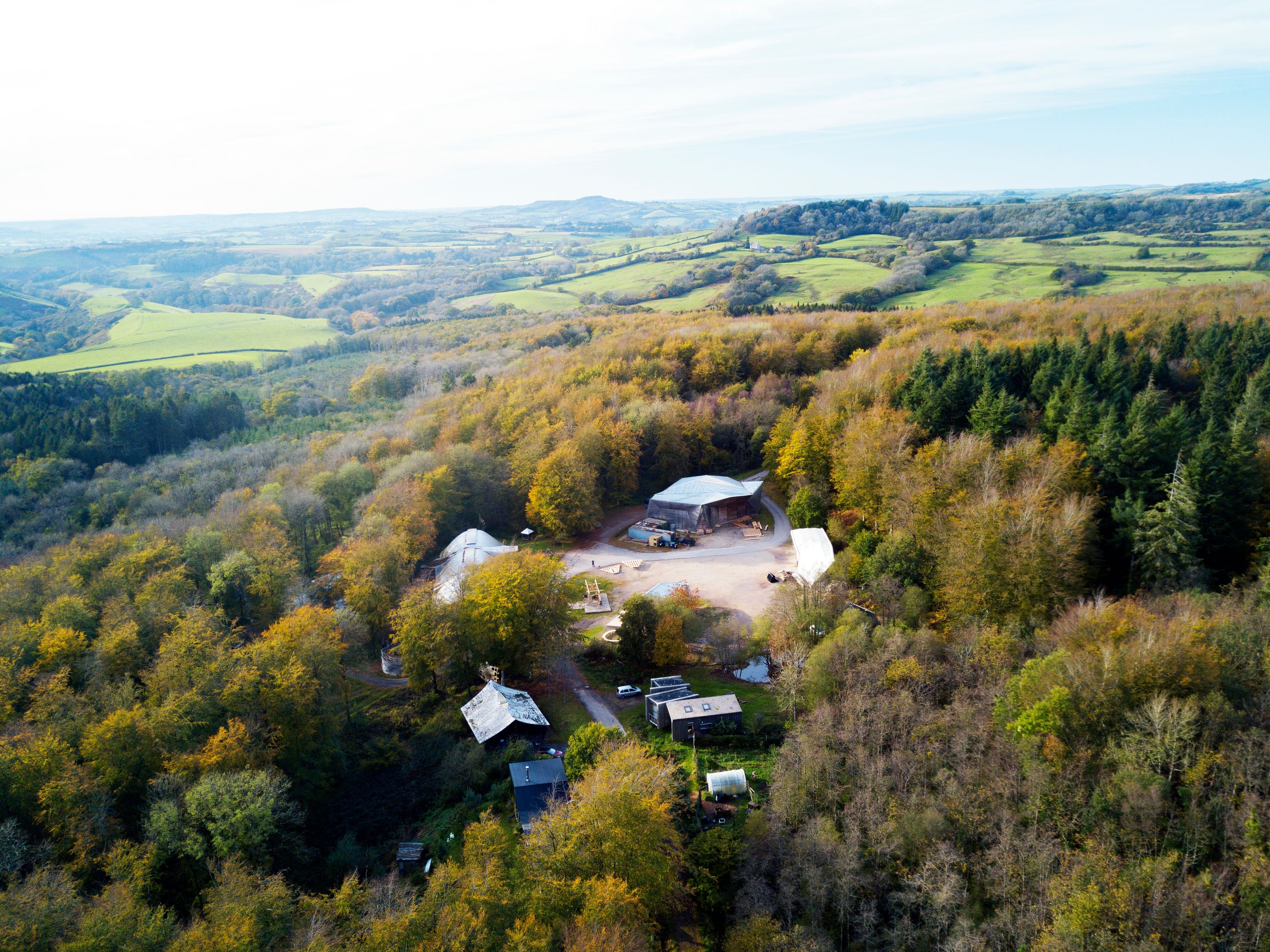
Day at the AA: Hooke Park
Thursday 19 March 2026
We invite prospective applicants, offer holders and their guests to join us for a day exploring Hooke Park. The event is an opportunity to experience first-hand what it is like to study in our woodland campus, find out about the facilities available and meet the Hooke Park team.
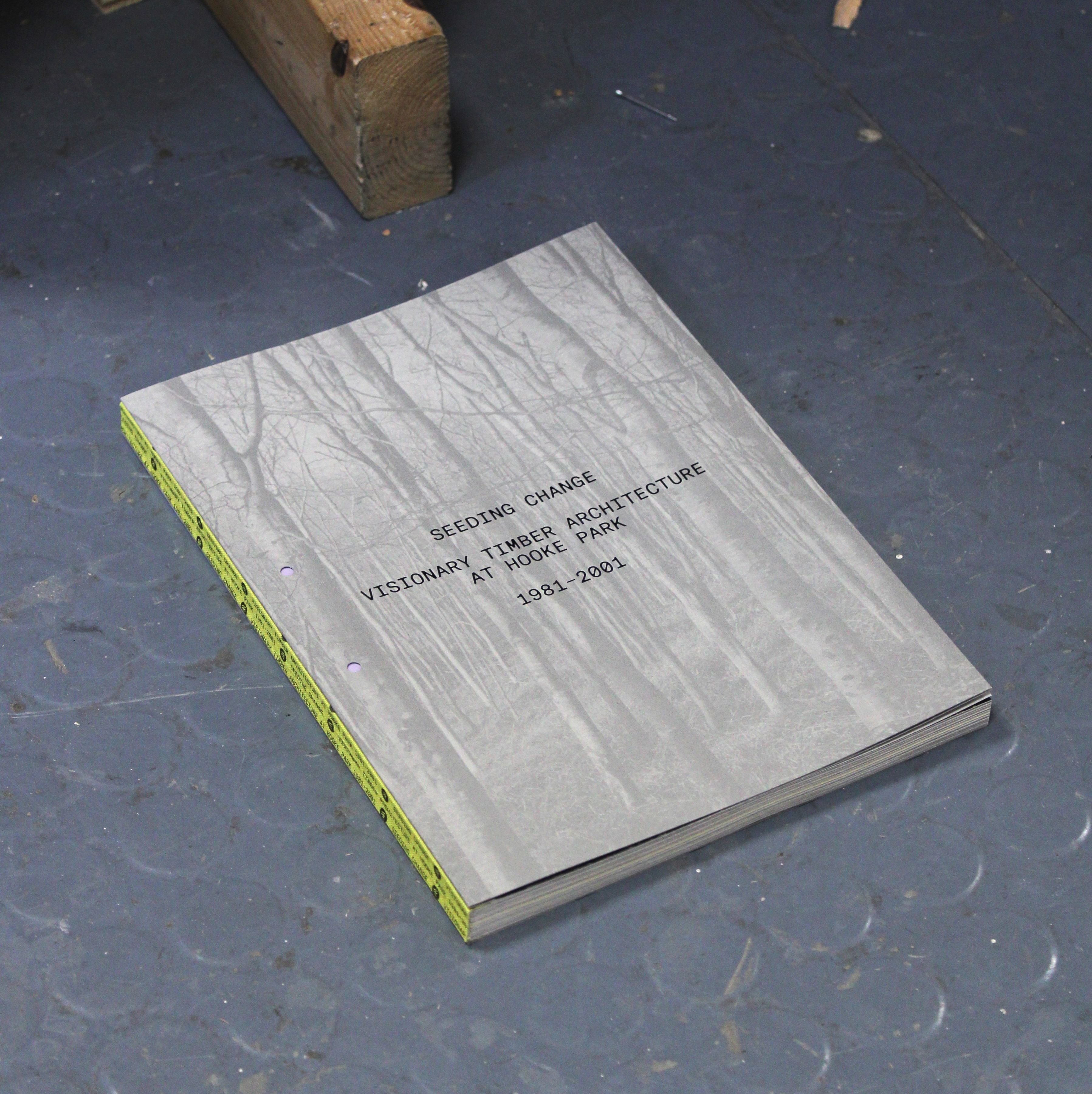
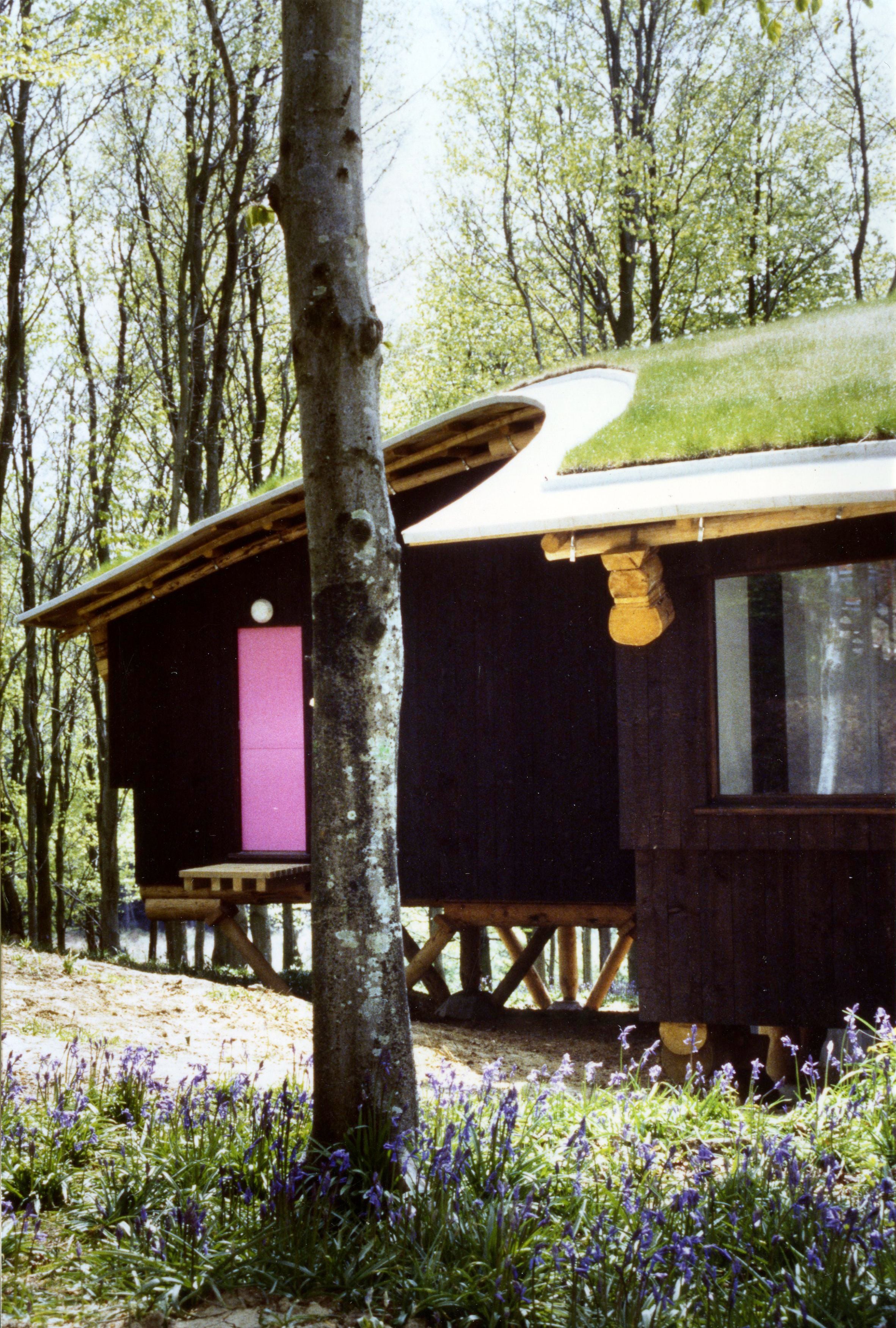
Seeding Change: Visionary Timber Architecture at Hooke Park, 1981–2001 draws on a rich archive of photographs, drawings and documents to tell the stories of three pioneering timber buildings realised at Hooke Park under the stewardship of John Makepeace and the Parnham Trust – the Prototype House, the Workshop and Westminster Lodge.
Hooke Park History